What is a Longitudinal Finned Tube
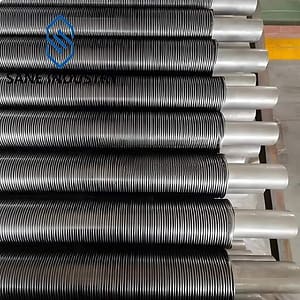
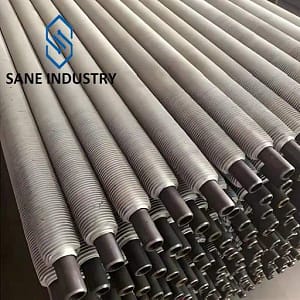
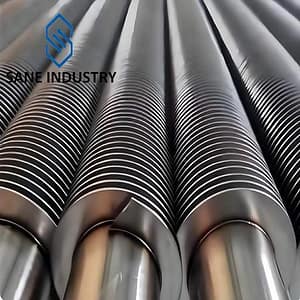
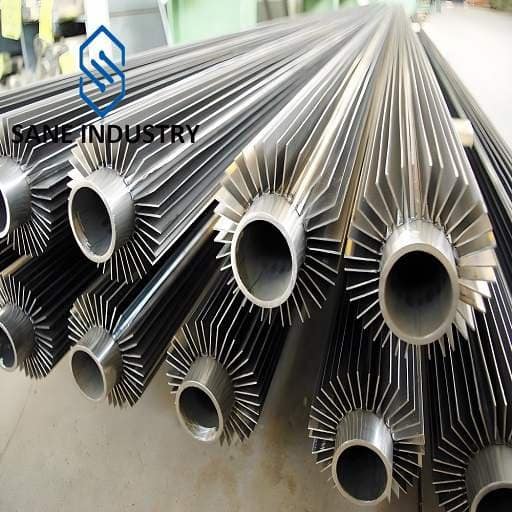
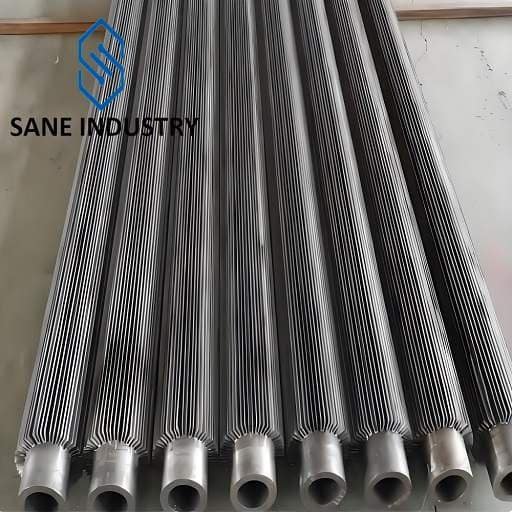
Longitudinal finned tubes are specialized heat transfer components characterized by fins that run parallel to the tube’s longitudinal axis. These longitudinal fin tubes are engineered to enhance heat transfer efficiency in various industrial applications. Unlike traditional transverse fin tubes where fins are perpendicular to the tube axis, longitudinal fin tubes offer distinct advantages in specific heat exchange scenarios.
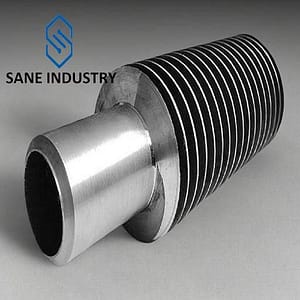
The fundamental structure of longitudinal fin tubes consists of a base tube (typically made of copper, steel) with extended surface fins attached along its length. These fins significantly increase the surface area available for heat transfer, making them ideal for applications requiring efficient thermal exchange between fluids and surrounding air or gases.
Structural Characteristics and Types
Longitudinal fin tubes feature several key structural elements:
Base Tube
- The primary cylindrical component that carries the working fluid. Common materials include: copper (for finned copper tubing), carbon steel, stainless steel.
Fins
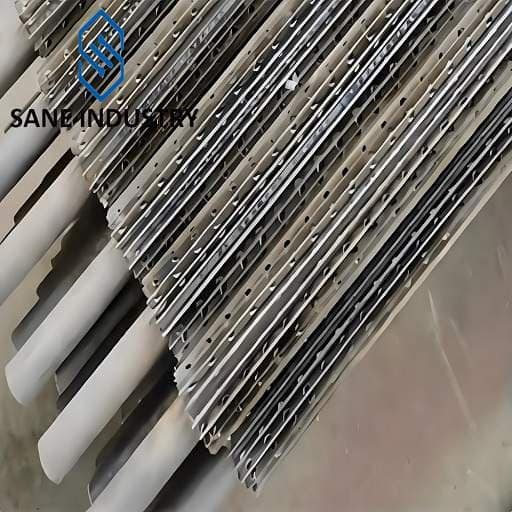
- The extended surfaces attached to the base tube. These can be: flat longitudinal fins, louvered fins (with perforations), wavy or corrugated fins, Serrated fins.
Attachment Methods
- Fins are aligned axially along the tube surface and welded using high-frequency currents, creating metallurgical bonds with tensile strength of 150–500 MPa.
The Manufacturing Process of Longitudinal Finned Tubes
Material Preparation
- Base tube selection: Choose materials based on application requirements (carbon steel pipes, stainless steel pipes, or copper pipes for finned copper tubing).
- Surface treatment: Remove oil stains, rust, and oxide layers through acid cleaning, phosphating, or grinding processes.
- Fin preparation: Fins are made from ductile materials (copper or steel strips) and formed into longitudinal shapes using cold rolling.
High-frequency induction (HFI) welding
- Most critical step in the process. Uses electromagnetic induction to heat and fuse fins to the base tube. Forms continuous longitudinal weld along the fin length.
Quality Control
- Visual inspection: Check for cracks, incomplete penetration, and surface defects
- Dimensional verification: Fin spacing, height, and tube diameter measurements
The Advantages of Longitudinal Finned Tubes
Enhanced Heat Transfer
- Fins increase surface area, boosting thermal efficiency by 30–45% in applications like boilers and condensers.
Compact Design
- High surface-to-volume ratio reduces equipment size, ideal for space-constrained systems (e.g., HVAC, chemical reactors).
Material Versatility
- Compatible with carbon steel, stainless steel, or aluminum, supporting temperatures up to 600°C and corrosive environments.
Structural Durability
- Welded fins resist vibration, thermal fatigue, and mechanical stress (lifespan: 15–25 years with coatings).
Energy & Cost Savings
- Reduces energy consumption in heat recovery systems by 20–35%, offsetting higher initial costs over time.
The Disadvantages of Longitudinal Finned Tubes
Higher Initial Cost
- Complex manufacturing increases upfront expenses vs. smooth tubes.
Fouling Susceptibility
- Narrow fin gaps trap particulates or deposits, reducing thermal efficiency by 10–25% in dusty/contaminated environments.
Maintenance Challenges
- Cleaning fins requires specialized tools (e.g., high-pressure jets), raising operational downtime and costs.
Limited Fluid Compatibility
- Poor performance with high-viscosity fluids (e.g., heavy oils) due to restricted flow between fins.
Pressure Drop
- Fins disrupt fluid flow, increasing resistance by 15–30% in gas/liquid systems.
Weight & Bulk
- Additional fin material adds 20–50% weight, complicating installation in lightweight structures.
Thermal Stress Risks
- Mismatched thermal expansion between fins and base tube may cause warping (>400°C).
Sizes and Materials of Our Longitudinal Finned Tubes
| Base Tube Diameter | 16 to 350 mm | 3/8″ to 14″ NPS |
| Base Tube Wall Thickness | 2.11 to 25.4 mm | 0.08″ to 1″ |
| Base Tube Length | ≤32,000 mm | ≤92 ft |
| Base Tube Material | Carbon Steel (A106B, P235GH, A179, A210, A192, etc.) Alloy Steel (P5, T5, P9, T9, T11, T22, etc.) Stainless Steel (TP304, TP316, TP347, B407 800H/HT, etc.) Copper(C11000, C12200, C44300, C68700, etc.) | |
| Fin Pitch | 2U to 60U | 2U to 60U |
| Fin Height | 5 to 31.75 mm | 0.19″ to 1.25″ |
| Fin Thickness | 0.5 to 1.5 mm | 0.02″ to 0.06″ |
| Fin Material | Carbon Steel, 2.25Cr-1Mo, 5Cr-0.5Mo, 11-13Cr (409, 410), 18Cr-8Ni (SS 304), 25Cr-20Ni, copper | |
| Fin Type | U | |
For other customized requirements for Longitudinal Finned Tubes, please contact us.
Our Production Capacity of Longitudinal Finned Tubes
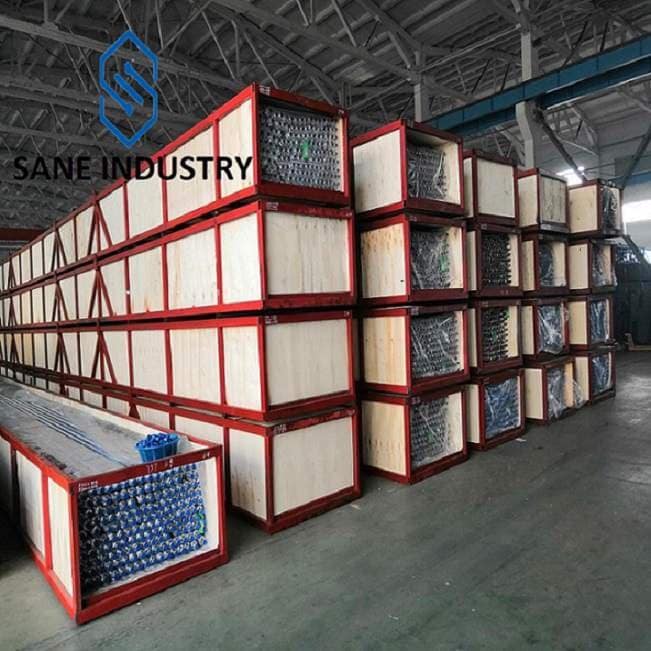
Total two longitudinal fin tubes machines, monthly production capacity is 50 tons in total.
Longitudinal Finned Tubes Uses
Steam Generation Systems
- Longitudinal finned tubes are used in boilers for efficient heat transfer in petrochemical plants and power plants, leveraging axial alignment for stable high-temperature performance.
Air-Cooled Heat Exchangers
- Longitudinal finned tubes are ideal for HVAC and industrial cooling, where compact fin spacing maximizes surface area for air-to-fluid heat exchange.
Exhaust Gas Heat Recovery
- Longitudinal finned tubes capture waste heat from gas turbines or engines, benefiting from vibration-resistant design in turbulent flow conditions.
Process Heating (Oil & Gas)
- Longitudinal fin tubes heat low-viscosity fluids (e.g., natural gas, light oils) in refineries, avoiding fouling risks in controlled environments.
Solar Thermal Systems
- Longitudinal fin tubes enhance energy absorption in concentrated solar receivers due to durable fin-tube bonding under thermal cycling.
Aerospace Thermal Management
- Longitudinal fin tubes manage heat dissipation in aircraft engines, where lightweight yet robust finned tubes withstand mechanical stress.
Comparison Longitudinal Finned Tubes to Other Finned Tubes
| Feature | Longitudinal Finned Tubes | Helical Finned Tubes | Extruded Finned Tubes |
|---|---|---|---|
| Fin Design | Axially aligned fins (5–25mm height) | Spiral-wound fins (continuous) | Fins extruded from base tube |
| Manufacturing Method | High-frequency/laser welding | Spiral winding + welding | Mechanical extrusion |
| Thermal Efficiency | +30–45% vs. smooth tubes | +40–60% (high surface area) | Moderate (limited height) |
| Fluid Compatibility | Limited for high-viscosity fluids | Better for gases | Corrosion-resistant (aluminum) |
| Maintenance | Prone to fouling; requires cleaning | Easier cleaning (spiral flow) | Low (integral fins) |
| Cost | Higher initial cost (welding) | Moderate | Lower (extrusion process) |
| Key Applications | Petrochemical boilers, HVAC | Power plant exchangers | Refrigeration, low-corrosion |
What is the Price of Longitudinal Finned Tubes
Please contact our sales manager Allen@sanesteel.com.
Why Choose Us
- a 16-year longitudinal fin tubes manufacturer. We are experts.
- solutions for all your longitudinal fin tubes needs
- the highest product quality
- the low lead times
- excellent customer service