


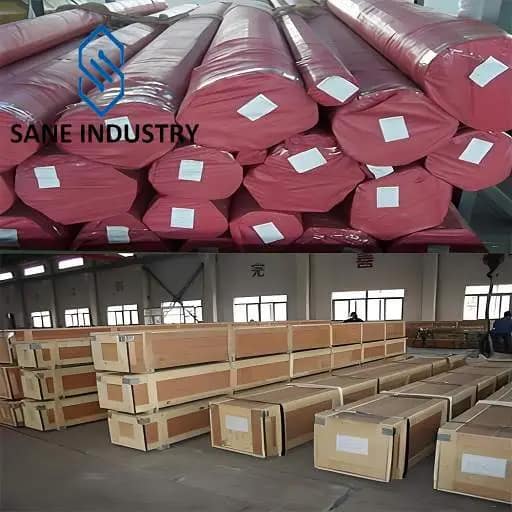
What is a Copper Pipe
A copper pipe(also known as copper tube or pure copper pipe) is a durable, corrosion-resistant tubular product made primarily from copper metal. It is widely used in plumbing, heating, refrigeration, and industrial systems due to its unique combination of malleability, thermal conductivity, and longevity.
Copper Pipe Types
- Based on Wall Thickness
- Type K (Thickest Wall): Designed for high-pressure and underground applications, such as water mains and gas lines. Its durability ensures resistance to external corrosion and mechanical stress.
- Type L (Medium Wall): Commonly used in residential and commercial plumbing for hot/cold water distribution. Balances flexibility and strength, suitable for both underground and indoor installations.
- Type M (Thinnest Wall): Ideal for low-pressure residential applications, including short-run water supply lines. Cost-effective but not recommended for high-stress environments.
- DWV (Drain-Waste-Vent): Exclusively for non-pressure drainage systems due to thinner walls and lighter construction.
- Based on Material Composition & Properties
- Oxygen-Free Copper (OFC): High-purity copper (99.99%) for electrical conductivity and corrosion resistance in industrial settings.
- Phosphorus-Deoxidized Copper (Cu-DHP): Enhanced weldability and resistance to oxidation, used in heat exchangers and hydraulic systems.
Copper Pipe Advantages
Corrosion Resistance
Naturally withstand rust, chemical reactions, and biofilm buildup, ensuring long-term reliability in water and gas systems.Longevity
Boasts a lifespan exceeding 50 years under proper conditions, outperforming plastic alternatives like PVC or PEX.Antimicrobial Properties
Copper ions inhibit bacterial growth, making it safe for potable water and medical gas systems.High Thermal Conductivity
Efficiently transfers heat, ideal for HVAC, refrigeration, and renewable energy applications.Recyclability
Fully recyclable without quality loss, supporting sustainable construction practices.Fire Resistance
Non-combustible, enhancing safety in building infrastructure compared to flammable polymer pipes.Adaptability
Compatible with soldering, compression fittings, or press-fit methods for versatile installations.
Copper Pipe Disadvantages
Higher Cost
Copper pipes are significantly more expensive than alternatives like PEX or PVC, impacting budget-sensitive projects.Susceptibility to Acidic Water
Prolonged exposure to low-pH water can lead to pinhole leaks or corrosion, requiring frequent replacements in acidic environments.Installation Complexity
Requires skilled labor for soldering or specialized tools, increasing installation time and costs compared to simpler push-fit systems.Thermal Expansion Issues
Expands and contracts with temperature fluctuations, potentially weakening joints and causing leaks over time.Thickness Limitations
Thin copper variants (e.g., Type M) may lack sufficient thickness to handle high-pressure applications, risking structural failure.Environmental Concerns
Mining and refining copper contribute to resource depletion and energy-intensive production processes.Limited Flexibility
Rigid copper pipes are difficult to maneuver in tight spaces without pre-bending or additional fittings.
How are Copper Pipes made
Raw Material Extraction
Copper ore is mined, then refined through smelting to remove impurities, producing pure copper cathodes or recycled scrap copper.Melting and Casting
Copper is melted in furnaces (~1,085°C) and cast into solid cylindrical billets or continuous cast rods.Extrusion or Rolling
Billets are heated and extruded through dies to form hollow tubes, or rolled into sheets and welded into pipes.Annealing
Pipes are heated and cooled to soften the copper, enhancing flexibility and workability for bending or shaping.Sizing and Finishing
Pipes are drawn through dies to achieve precise diameters and wall thicknesses (e.g., Type K, L, M). Surfaces are cleaned and polished.Quality Testing
Pipes undergo pressure tests, visual inspections, and eddy-current checks to ensure durability and leak-free performance.Coating and Packaging
Optional protective coatings (e.g., tin, plastic) are applied for corrosion resistance. Pipes are cut to length and packaged for distribution.
What is Copper Pipe used for
Plumbing Systems
Widely used for potable water supply lines due to corrosion resistance and durability in residential and commercial buildings.Heating Systems
Ideal for radiators, underfloor heating, and HVAC systems because of excellent thermal conductivity.Refrigeration
Essential in refrigeration and air-conditioning units for refrigerant lines, leveraging copper’s leak-proof properties.Gas Distribution
Employed in natural gas and propane lines for homes and industries, offering high-pressure resistance and safety.Medical Gas Systems
Used in hospitals for oxygen, nitrogen, and vacuum systems due to sterile, non-reactive surfaces.Industrial Applications
Transports compressed air, chemicals, or steam in manufacturing plants, handling extreme temperatures and pressures.Solar Water Heating
Preferred in solar thermal systems for corrosion resistance and efficient heat transfer in outdoor installations.Decorative Fixtures
Polished copper pipes serve aesthetic purposes in furniture, lighting, and architectural designs.
Our Copper Pipe Sizes, Specification and Material
| Outside Diameter | 6 to 273 mm | 1/8” to 10” NPS |
| Wall Thickness | 0.5 to 22 mm | 0.01” to 0.9” |
| Length | Customized | |
| Type of End | Plain Ends, Beveled Ends | |
| Material Grade | Standard: ASTM B42/ASME SB42, ASTM B111/ASME SB111, ASTM B88, etc. Grade: C10100, C10200, C10300, C12000, C19200, C28000, C44300, C44500, C60800, C68700, C70400, C70600, C71000, C71500, C71640, any other. | |
For other customized requirements, please contact us. We can also provide copper tube bending services.
What is the Copper Pipe Price
Please contact our sales manager Allen@sanesteel.com
Why Choose Us
- a 16-year copper pipe supplier. We are experts.
- solutions for all your needs
- the highest product quality
- the low lead times
- excellent customer service